The Ecosystem of Gaming Platforms: Icons, Interaction, and the Channels of Communication
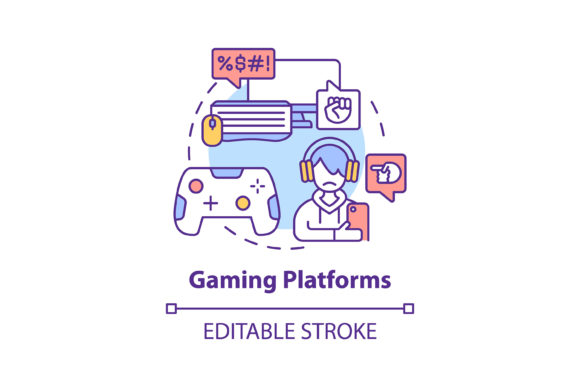
The concept of a gaming platform icon is a powerful visual shorthand. It represents not just a logo for a console or service, but an entire digital ecosystem—a world of entertainment, social connection, and creative expression. These icons, whether they adorn a device, a website, or a marketing banner, are the gateways through which millions of users enter vast virtual landscapes. However, the pathways within these ecosystems, particularly the communication channels they enable, are complex and multifaceted. The very features that foster community and camaraderie—voice chat, text messaging, live streaming—can also, under certain conditions, become conduits for negative behavior, conceptually illustrated by ideas like a cyberbullying channel thin line illustration. Understanding this duality is key to grasping the real-world relevance of modern gaming platforms.
More Than a Logo: The Platform as a Living Space
A gaming platform concept icon symbolizes a dynamic service. It is far removed from a static, isolated outline drawing; it is a living, interconnected network. Today's major platforms—be they console-based, PC-centric, or mobile-first—offer integrated experiences. Players do not merely boot a game; they log into a social hub. They see friends' activity feeds, join parties for voice communication, share screenshots and clips, and browse digital storefronts. The icon is the access point to all this functionality. Its design, often a sleek vector graphic usable across file types like SVG and AI for marketing, carries the weight of brand identity and user expectation.
The Central Role of Communication Tools
At the heart of the platform experience are the tools for chatting while playing video games. This real-time interaction has transformed gaming from a solitary pastime into a profoundly social activity. In-game text chats, dedicated app messaging, and crystal-clear voice channels allow for strategic coordination in a competitive match, shared laughter during a cooperative adventure, or simple companionship during a long grind. These features are arguably as significant as graphical prowess or processing power in defining a platform's appeal. They create the sense of a persistent social space, a digital "third place" where communities form.
The Dark Side of the Channel: When Communication Turns Toxic
Unfortunately, the same open channels that enable positive connection can also be exploited. The concept of a cyberbullying channel, imagined as a stark thin line illustration, is not abstract. It manifests in the very real behaviors seen on these platforms. The anonymity, competitive tension, and often youth-dominated demographics can create environments where posting rude comments, harassment, and targeted abuse occur. This can range from offensive text messages and voice chat insults to more sustained campaigns of exclusion and ridicule. The vector isolated outline, in a symbolic sense, represents these narrow, negative pathways that branch off from the main, healthy flow of community interaction.
These actions have tangible consequences. For professionals like streamers and content creators, toxic comments can impact their work environment and mental health. For consumers, especially younger players, it can sour the enjoyment of a hobby and lead to withdrawal. Educators and researchers see this as a critical area of digital citizenship study. Business owners and platform operators must consider it a core community health and safety issue. The editable stroke of such a negative channel concept implies it can be reshaped—that platforms have the agency and responsibility to modify these pathways through design, policy, and moderation.
Characteristics of Platform-Mediated Interaction
The nature of communication on gaming platforms carries specific characteristics that influence both its positive and negative potentials.
- Immediacy and Persistence: Comments and messages are delivered instantly and often remain visible in logs or feeds, amplifying their impact.
- Contextual Ambiguity: Banter, sarcasm, and competitive trash-talk can be misinterpreted, escalating situations unintentionally.
- Public and Private Blending: Voice chat in a private party is closed, but in-game text or open streaming chat is publicly visible, creating different risk profiles.
- Integrated Reporting Systems: Modern platforms feature built-in tools to report abuse, a direct attempt to let users "edit the stroke" of harmful channels.
Practical Considerations for All Users
Navigating this ecosystem requires practical understanding from every participant. For the broad audience engaging with these platforms, awareness is the first step.
Consumers and hobbyists can benefit from managing their communication settings. Most platforms allow controls to mute voice chat, filter text messages, or limit who can send invitations. Using these tools proactively can create a safer personal experience. Parents and educators can focus on guiding younger users on digital etiquette and the importance of reporting, not retaliating.
Creators and professionals, such as streamers, often rely on platform communication for their livelihood. For them, implementing robust chat moderation—using automated filters and human moderators—is a essential business practice. It protects their community and their brand.
For researchers and platform business owners, the considerations are systemic. They involve analyzing data to understand abuse patterns, designing interfaces that discourage impulsive rude comments (like adding confirmation prompts for public messages), and investing in scalable moderation solutions that balance safety with user freedom. The goal is to nurture the vibrant, RGB color community while isolating and minimizing the outline of harmful behavior.
The Evolution of Platform Responsibility
The early days of online gaming often viewed communication tools as neutral features. The platform provided the channel; what users did with it was their own affair. This perspective has shifted dramatically. Now, the concept icon of a platform is increasingly associated with its community standards and safety record. Operators realize that the quality of the social environment is a key competitive advantage and a fundamental duty.
This evolution is visible in the rollout of advanced safety features. These include real-time voice chat moderation, AI-powered text analysis for hate speech, and transparent penalty systems for offenders. The file type is no longer just a technical specification for the logo; the entire platform service is being re-engineered. Transparency reports on enforcement actions are becoming common, aligning with E-E-A-T principles by demonstrating experience and authoritativeness in user trust.
Ultimately, the gaming platform concept icon stands for a package of technology, content, and human interaction. Its success depends on managing all three elements. The platforms that thrive will be those that recognize their communication channels as vital organs of the ecosystem—to be celebrated, protected, and carefully stewarded. They will ensure that the iconic gateway leads to a space where the joy of playing and chatting coexists with respect and safety, rendering the thin line illustration of a cyberbullying channel an increasingly rare and remediable exception, rather than an accepted part of the landscape.