Creative Modern Background Designs
Imagine a visual foundation that instantly elevates your project, conveying a sense of sophistication and contemporary energy before your audience even reads a word.
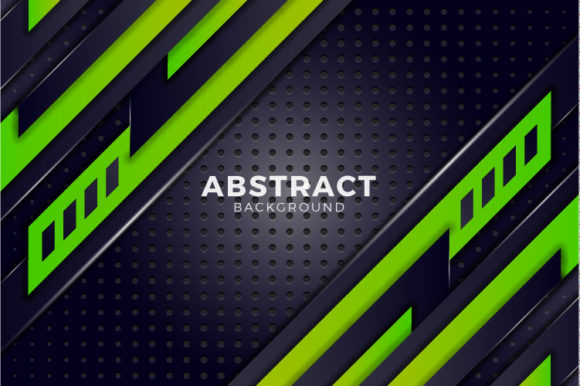
A Creative Modern Background is more than just decorative wallpaper; it's a strategic design element that sets the stage for your entire visual narrative. In today's crowded digital landscape, these backgrounds provide a crucial tool for designers, marketers, and creators seeking to capture attention and communicate brand values instantly. They embody a blend of abstract luxury, modern aesthetics, and intentional composition, often utilizing vector illustration for flawless scalability and crisp detail.
The Strategic Role of Modern Backgrounds
From establishing brand identity to enhancing user experience, a thoughtfully chosen background serves multiple functions. It creates an immediate visual context that informs how viewers perceive the accompanying content—whether it's a headline, a product, or a data point. In professional graphic design, this element contributes directly to visual hierarchy, guiding the viewer’s eye and creating a sense of order and priority within the layout.
Practical Applications Across Design
The versatility of modern creative backgrounds is one of their greatest strengths. They seamlessly integrate into various mediums, maintaining consistency across all brand touchpoints.
- Branding & Identity: Used behind logos or within brand guidelines, they establish a signature visual atmosphere.
- Digital Marketing: They form the core of engaging social media graphics, email headers, and online advertising.
- Web & UI Design: A background can define a website's mood, improve UX by reducing visual clutter, or highlight specific UI elements.
- Editorial & Presentation Design: They add depth and professionalism to report layouts, pitch decks, and slides.
- Packaging & Merchandise: Applied to product packaging or apparel, they translate digital luxury into physical form.
File formats like the vector EPS (cc-2014) ensure these assets are ready for any application—from large-scale print to tiny mobile icons—while JPG versions offer quick implementation for digital contexts.
Selecting and Implementing with Impact
Choosing the right background is an exercise in alignment. It must resonate with your core design goals and audience expectations. Consider the following to maximize its effectiveness:
Color Palette: Colors evoke emotion and align with brand psychology. A vibrant, abstract luxury background might signal innovation and energy, while a muted, geometric one could convey stability and elegance.
Composition & Space: The arrangement of elements within the background should complement your primary content. Avoid overly busy patterns that compete with text or key imagery. Ensure there is adequate "quiet" space to maintain readability and visual hierarchy.
Scalability & Consistency: A vector-based design guarantees your background looks pristine at any size, a non-negotiable for professional presentation across diverse media. Consistency in using the same or variations of a background strengthens brand recognition.
Integration with Typography: The background and your font choice must work in harmony. Ensure text remains legible and prominent. Sometimes, a subtle background allows bold typography to shine; other times, the background itself carries the visual weight.
Ultimately, investing in high-quality design assets like a modern creative background is investing in clearer communication and more resonant aesthetics. It’s a foundational choice that supports every other element in your project, transforming a simple message into a compelling visual experience that engages, informs, and inspires your audience.